What happens when the player everything revolves around is no longer there?
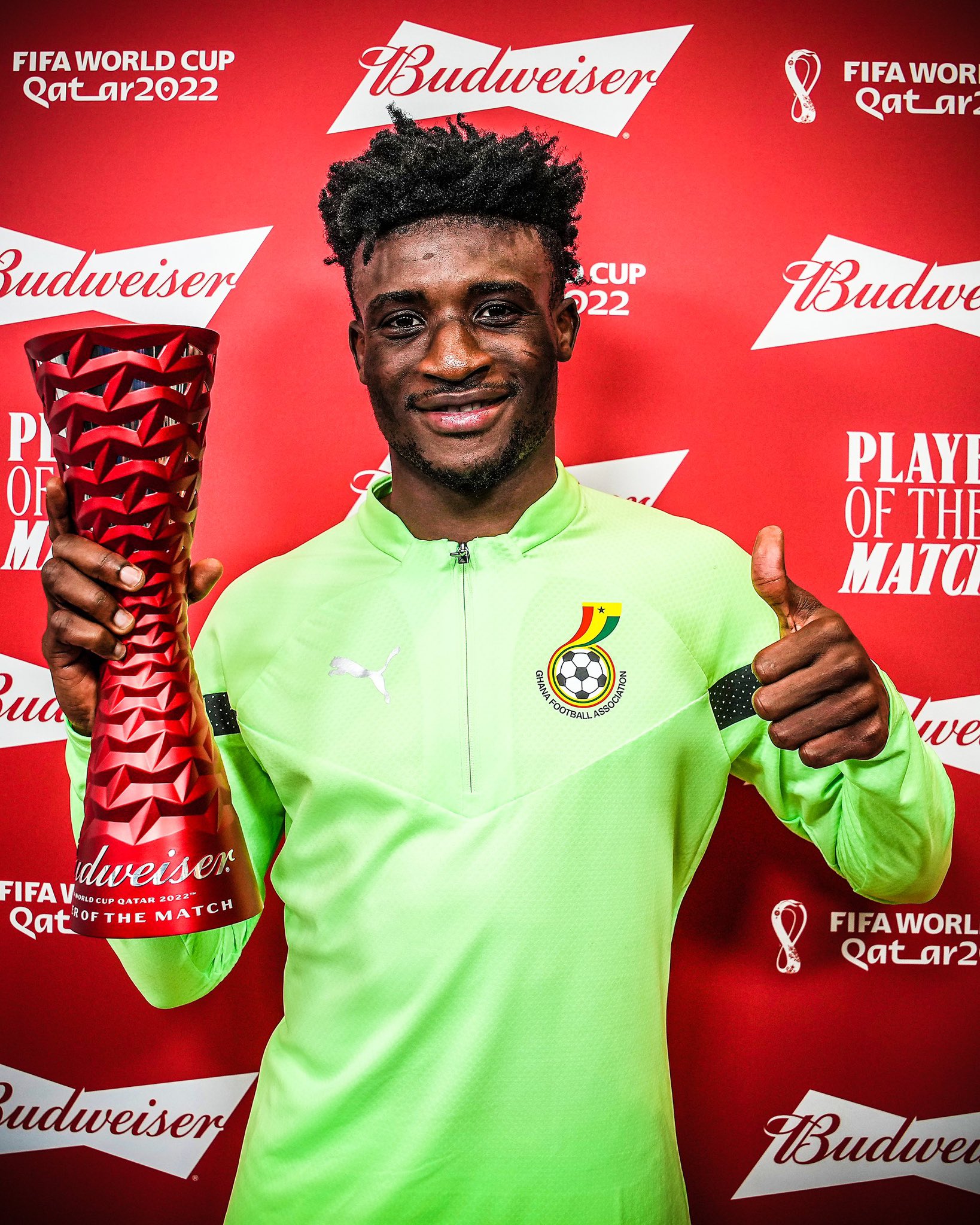
Some players become more than stars; they are the system itself, the source of inspiration, and the solution in difficult moments — the player’s teammates instinctively search for when everything begins to fall apart. For Ghana, that player is Mohammed Kudus.
The Black Stars have always thrived on collective identity. From Abedi Pele’s elegance to Michael Essien’s dominance and Asamoah Gyan’s unforgettable moments, Ghana’s greatest sides were built on balance, personality, and belief.
But over the last two years, something has quietly changed. Increasingly, Ghana appears to be a team built around one man.
In June 2026, when the world begins packing for the World Cup showpiece, Ghana will do so without their talisman — the man whose shoulders carry the heavy burden of a successful trip to the North.
Read more: Baba Rahman, Ernest Nuamah return as Carlos Queiroz unveils Black Stars provisional squad
Kudus has been ruled out of Ghana’s 28-man preliminary squad named by head coach Carlos Queiroz for the upcoming training camp and friendly against Wales and the 26-man squad for the World Cup.
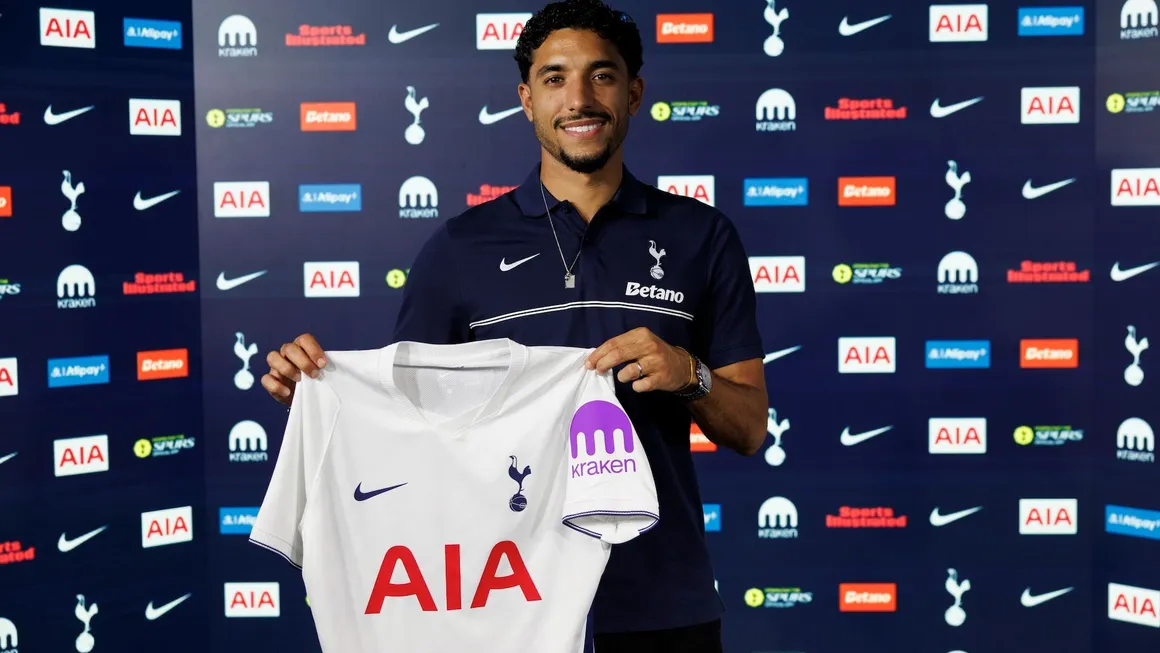
A recurring quadriceps injury, which sidelined him for the remainder of the 2025/26 club season at Tottenham Hotspur following a setback in recovery, has ended his hopes of featuring at the tournament.
Qatar 2022 felt like the arrival of a new Superstar.
Against South Korea, Kudus delivered one of the finest World Cup performances by a Ghanaian player in modern history. A towering header. A composed finish. Two goals in a dramatic 3-2 victory that reignited belief across the country.
He became the first Ghanaian to score a brace in a World Cup match and walked away with the Player of the Match award. Even in defeat against Portugal and Uruguay, he looked fearless.
While Ghana exited in the group stage, Kudus left Qatar as the face of the nation’s future. And since then, the dependence has only grown.
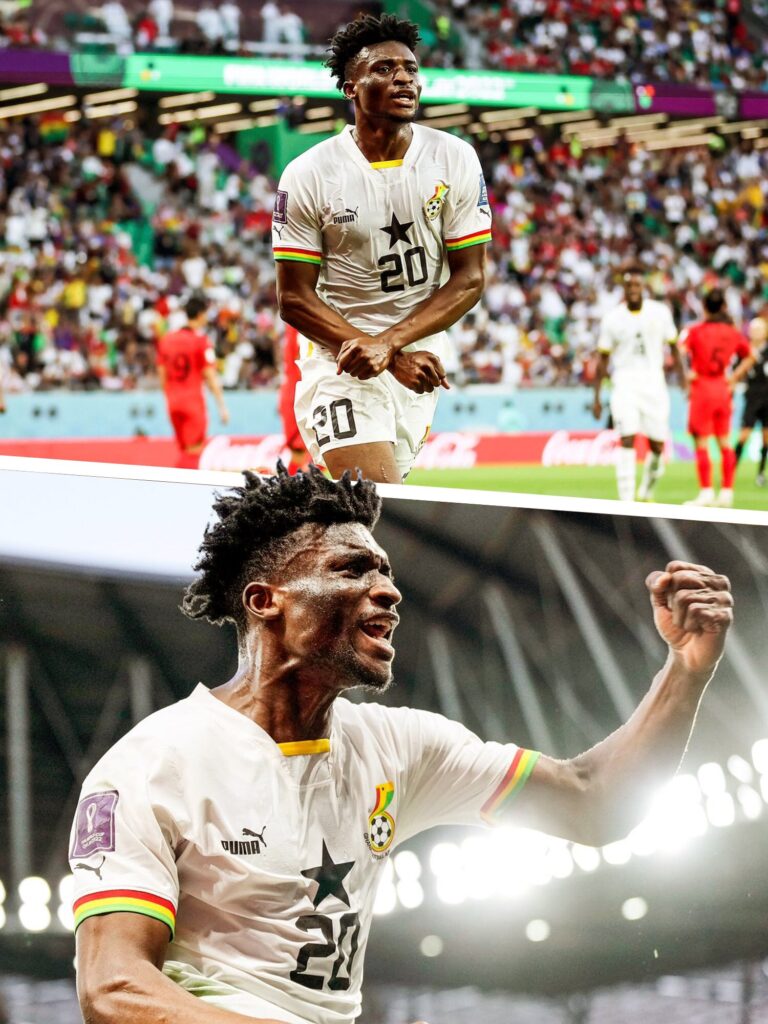
His goal against Comoros in October 2025 secured Ghana’s qualification for the World Cup and sent Accra into celebration. Every major moment seemed to involve him. The dribbles through crowded midfields. The moments of improvisation. The ability to turn stagnant matches into chaos.
Opponents began double-marking him. Fans began expecting miracles from him as he earned the nickname “Starboy” of the Black Stars.
But when Kudus struggles, Ghana struggles too.
The warning signs were already there. The Black Stars failed to qualify for the 2025 Africa Cup of Nations for the first time since 2004, finishing at the bottom of their qualifying group without a single win.
A football nation that once dominated the continent suddenly looked short of ideas whenever its brightest player could not carry the burden alone. Football history is filled with teams that fell into the same trap.
Like Kudus, very important football figures have demonstrated the aura and impact across various national teams — in the past and the present.
Overreliance on Star Players
Football history is full of talented nations becoming overly dependent on a single star. Nigeria often looked disjointed without Victor Osimhen during crucial World Cup qualifiers.
At the same time, Argentina spent years relying on Lionel Messi to provide every spark of inspiration before finally building a balanced side that won the 2022 World Cup.
Portugal frequently leaned on Cristiano Ronaldo for decisive moments, Egypt’s fortunes have long been tied to Mohamed Salah, and Wales struggled to maintain the same belief and threat when injuries limited Gareth Bale.
In each case, a world-class player became both a nation’s greatest asset and a sign of an underlying dependence that could be exposed when that player was unavailable or contained.
Ghana’s Defining Test
The Ghana Football Association has already reacted dramatically. Otto Addo — the coach who qualified the Black Stars for both the 2022 and 2026 World Cups — was dismissed after a poor run of results, including defeats in friendlies against Germany and Austria. In his place arrives Carlos Queiroz.
The experienced Portuguese manager inherits a squad filled with uncertainty and only weeks to prepare for football’s biggest tournament.
More importantly, he inherits a team that may suddenly be without the player around whom everything revolves. There is no direct replacement for Kudus.
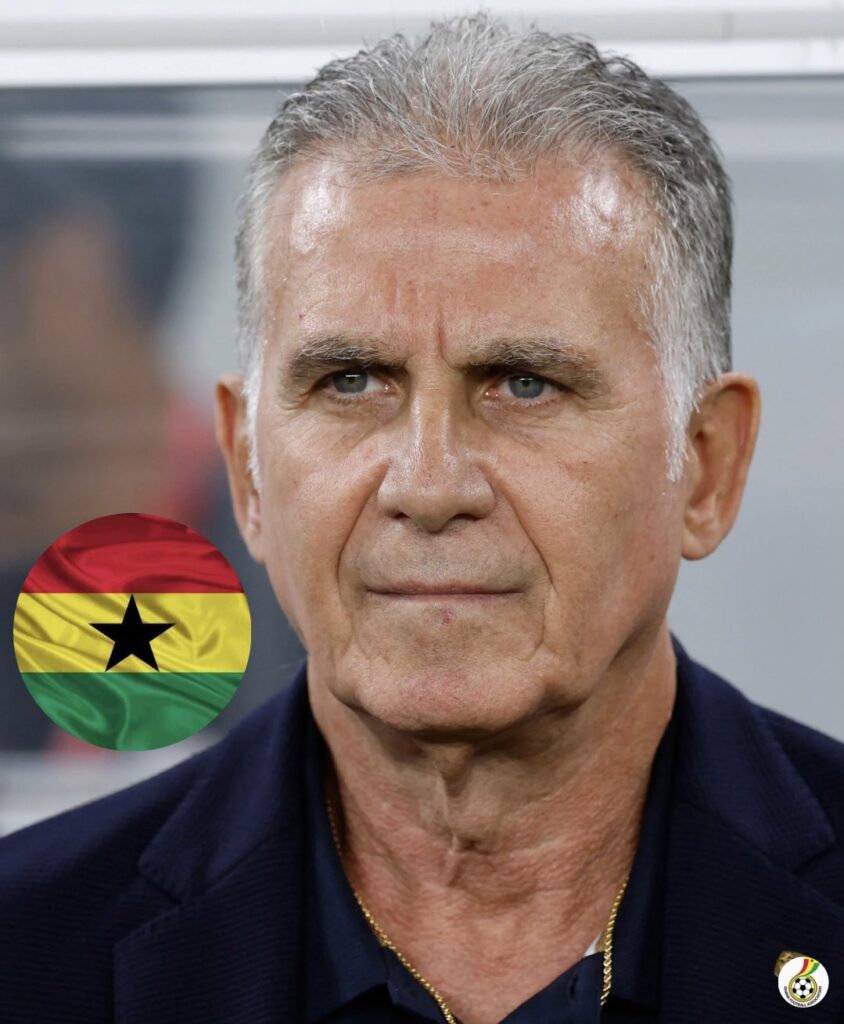
No player in the current squad combines his creativity, explosiveness, finishing, and unpredictability. Queiroz must now decide whether to redistribute responsibility across the team or attempt to recreate the same system without its central figure.
Some inside Ghanaian football quietly believe Kudus’s absence could force the Black Stars to become more balanced, less emotionally dependent, and tactically unpredictable.
But that theory will only matter if results follow. Because World Cups do not wait for transitions. Ghana will open their 2026 campaign in Group L against Panama, followed by matches versus Croatia and England.
Preparations continue with the Wales friendly and final squad decisions looming. The tournament will test whether the supporting cast — veterans like Thomas Partey, emerging threats like Antoine Semenyo and Iñaki Williams, and others — can step up without their talisman.
The Black Stars have the talent and history. The question is whether they have evolved enough to thrive without the one player they’ve come to lean on so heavily.
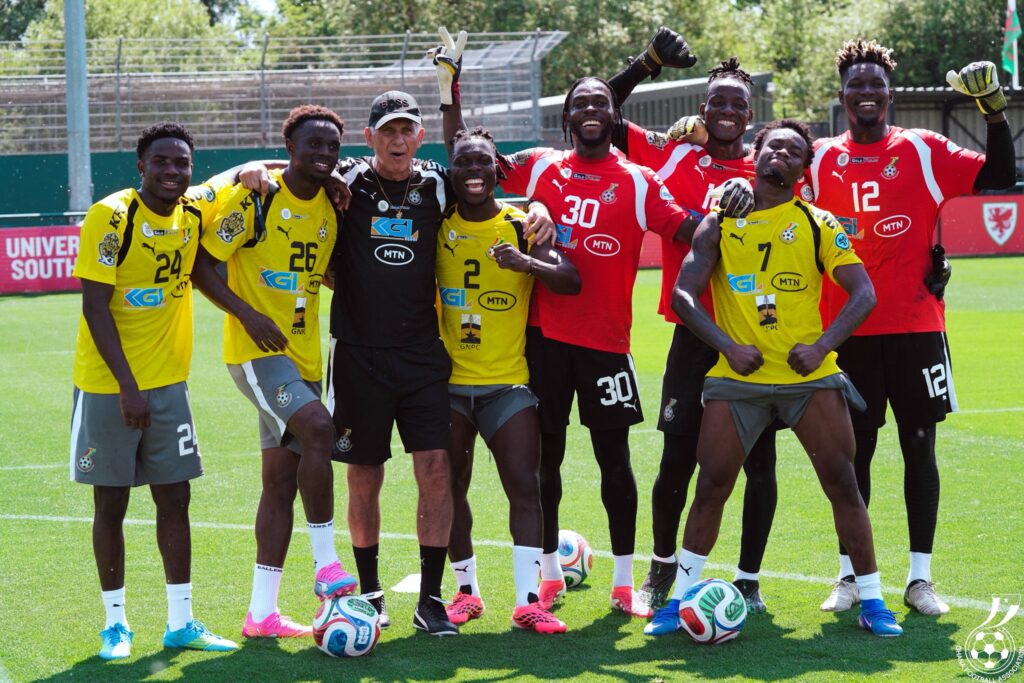
A Nation Still Chasing Its Past
Ghanaian football still lives in the shadow of 2010. Asamoah Gyan’s missed penalty against Uruguay remains one of the most painful moments in African football history.
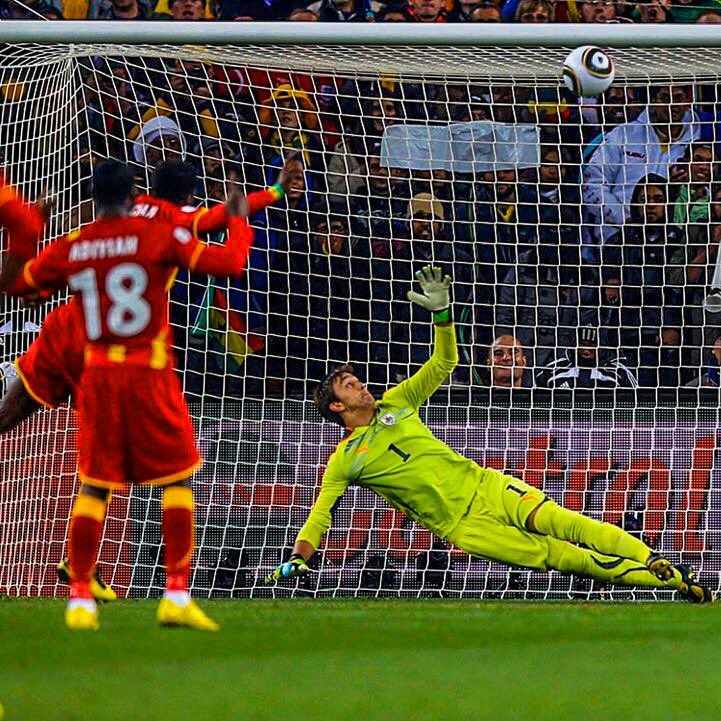
The 2015 AFCON final defeat to Ivory Coast deepened the heartbreak. Since then, the Black Stars have searched endlessly for another golden generation capable of restoring their place among football’s elite nations. Kudus was supposed to lead that revival.
Now, with the World Cup approaching and Kudus being ruled out of the squad, Ghana faces more than just an injury crisis. It faces an identity crisis.
Can the Black Stars finally become a true collective again, or have they drifted too far into dependence on one superstar?
Because the difference between a team built around a star and a team built to last is simple: when the moment comes, one survives the absence. The other does not.
Read more: Thomas Tuchel names shocking 26-man World Cup squad